Sẽ không bao giờ là cậu đâu
Written by
Den
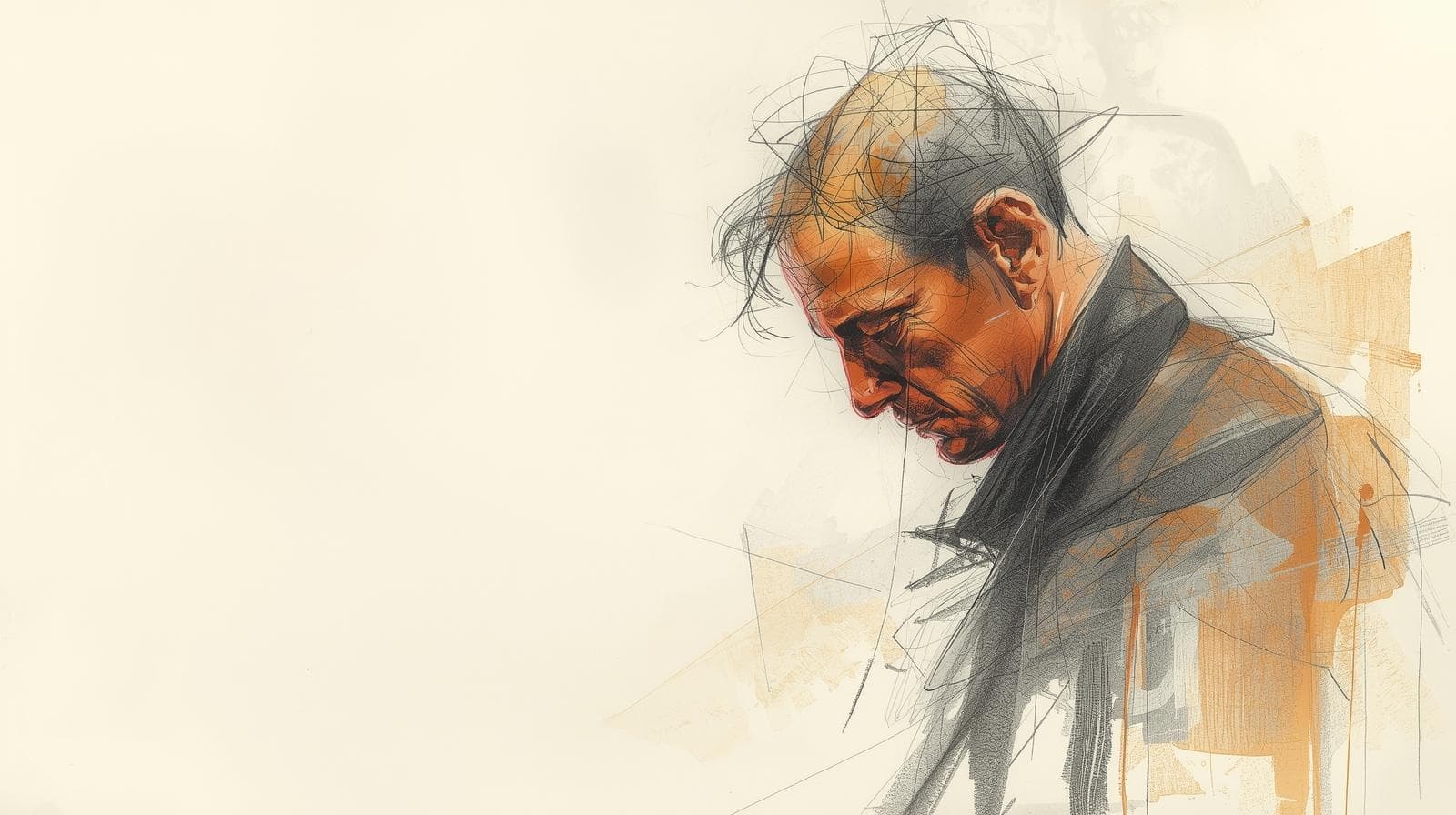
Hầu hết mọi người không lắng nghe với ý định thấu hiểu; họ lắng nghe với ý định để đáp trả.
Hai anh em vừa nói vừa bước vào chỗ thang máy từ tầng hầm gửi xe B3 sau buổi cầu lông gần 2 tiếng đồng hồ.
Hồi nhỏ, chỗ quê anh chơi vui lắm. Chiều nào mấy thằng cũng chạy ra đồng thả diều, mệt nghỉ luôn. - Anh vừa nói, vừa tiến tới bấm thang máy, mắt vẫn không ngừng dán vào chiếc điện thoại trên tay.
Chỗ em cũng thế. Hồi đấy nó còn đống rơm, hàng xóm người ta sát lúa ấy. Mấy thằng cứ trèo lên cây nhãn rồi nhảy xuống. Ngứa sắp chết :v - Vừa nói, tớ vừa gãi nhẹ vào cổ tay, như thể cái ngứa ngày ấy vẫn còn ở lại.
À, chỗ bọn anh còn có cái mương. Thỉnh thoảng bọn nó bắt được con cá, đem lên nướng. Có lần tý cháy ruộng. - Anh vừa cười vừa tháo kính, lấy tay lau mấy giọt mồ hôi lấm tấm trên trán.
- Chỗ em thì hay trộm gạo rồi nấu cơm bằng cái hộp sữa Ông Thọ ấy. Cháy khét mà vẫn phải cố ăn. Thằng nào mà chê là cả bọn lấy cái nhọ bôi đầy lên mặt. - Tớ hụt hơi, cố nói hết câu. Thang cuối cùng cũng lên tầng 5.
Bước ra khỏi cánh cửa thang máy để vào văn phòng, câu chuyện về thời thơ ấu vẫn tiếp tục nhưng cũng không khác gì cuộc nói chuyện trên là mấy.
Cậu có nhận thấy điều gì không? Mỗi lời kể của hai anh em tớ cứ như những đường thẳng song song, cứ như poster album Made của Big Bang vậy ツ. "Chỗ em" rồi "chỗ anh" cứ đan xen liên tục.
Chẳng ai chịu lắng nghe ai. Hoặc cũng có thể là có. Nhưng ai cũng muốn kể về mình. Ai cũng muốn đối phương nghe câu chuyện của mình. Tớ nóng lòng chờ anh ấy dứt lời không phải vì tớ tò mò về cái mương nước ở quê anh, mà vì tớ đang bận lục lọi trong trí nhớ xem mình có kỷ niệm nào "xịn" hơn để kể lại.
Chúng ta đều là những nhân vật chính cô đơn
Liệu cậu có để ý thấy tất cả chúng ta, bằng một cách vô thức, đều muốn cuộc hội thoại xoay quanh mình. Ta khao khát được thấu hiểu, được công nhận, được thấy mình là tâm điểm. Ta coi trải nghiệm của mình là "thước đo" và luôn cố gắng kéo mọi chủ đề về phía mình.
"Không phải chỉ mình tớ, mà là tất cả mọi người."
Cậu biết không, cái bẫy nằm ở chỗ: khi ai cũng muốn làm người nói, thì chẳng còn ai là người nghe. Chúng ta bước vào những cuộc hội thoại như những con ma cà rồng, chỉ chực chờ hút lấy sự chú ý của đối phương để nuôi dưỡng cái tôi đang đói khát của chính mình.
Tâm lý học có một khái niệm gọi là hiệu ứng tiêu điểm (Spotlight effect). Thí nghiệm của giáo sư Thomas Gilovich đã chỉ ra rằng chúng ta luôn đánh giá quá cao mức độ mà người khác chú ý đến vẻ ngoài hay hành động của mình. Chúng ta lo lắng về một vết bẩn trên áo hay một câu nói hớ, nhưng sự thật là chẳng ai để tâm cả. Họ còn đang bận lo lắng về "vết bẩn" của chính họ. Chúng ta cô đơn trong chính cái tiêu điểm tự tạo đó, mải mê diễn một vai mà không ai thực sự đang xem. Quê chưa :v
Sức mạnh của việc "Lùi lại một bước"
Mark Manson từng nói về việc ngừng coi mọi thứ là về mình. Ông cho rằng cái bẫy lớn nhất của con người là luôn tin rằng mình là trung tâm của mọi trải nghiệm. Khi ai đó chỉ trích, ta thấy bị xúc phạm; khi ai đó không phản hồi, ta thấy bị bỏ rơi. Ta vô thức mặc định rằng mọi sự kiện xảy ra trên đời này đều là một hình ảnh phản chiếu về giá trị của bản thân chúng ta.
Nhưng thực tế, mỗi người đều đang bận rộn với cuộc chiến nội tâm của riêng họ. Lời nói của anh đồng nghiệp hay thái độ của người lạ trên phố thực chất là sự phản chiếu thế giới quan và những rắc rối của chính họ, chứ không nhất thiết là vì cậu. Khi hiểu rằng "không phải cái gì cũng về mình", cậu sẽ thấy một sự tự do tuyệt đối: cậu không còn phải gồng mình lên để giải thích hay chứng minh điều gì với thế giới ngoài kia nữa.
Thay vì nói: "Chỗ em cũng thế..." (để kéo sự chú ý về mình), tớ thử hỏi: "Thả diều ngoài đồng chắc gió to lắm, anh nhỉ? Cánh diều của anh màu gì?" Lần này, anh có vẻ hào hứng hơn hẳn, hào hứng mô tả về con diều giấy tự dán bằng cơm nguội và cái cảm giác dây cước ghì chặt vào tay khi gió lồng lộng thổi. Anh không còn "độc thoại" nữa. Sự lắng nghe của tớ đã tạo ra một không gian an toàn để anh thực sự được chia sẻ. Trong khoảnh khắc đó, tớ nhận ra một nụ cười chân thành từ người đối diện có giá trị hơn rất nhiều so với việc tớ chỉ chăm chăm chờ để kể câu chuyện của mình.
Khi cậu chọn cách lắng nghe và đặt câu hỏi thay vì đối đáp tức thì, cậu đã chính thức thoát khỏi con tàu lượn siêu tốc của lòng tự trọng. Cậu không còn cần người khác phải nghe câu chuyện của mình để cảm thấy mình quan trọng. Cậu quan sát, cậu lắng nghe, và cậu nhận ra rằng thế giới của người đối diện cũng lấp lánh và đầy màu sắc như thế, nếu mình thực sự để tâm đến nó một chút.
P.S
Khao khát được nói về mình là bản năng, nhưng biết cách im lặng để lắng nghe là một bản lĩnh. Đừng quá khắt khe với bản thân nếu cậu thấy mình vừa lỡ "giành lời" của ai đó. Lần tới, đơn giản là hãy lắng nghe và phản hồi một cách chân thành, cậu sẽ thấy sự khác biệt rõ ràng.
Bởi vì sau cùng, giá trị của cậu không nằm ở việc cậu kể được bao nhiêu chuyện hay, mà nằm ở việc cậu có đủ bao dung để dành chỗ cho câu chuyện của người khác hay không.