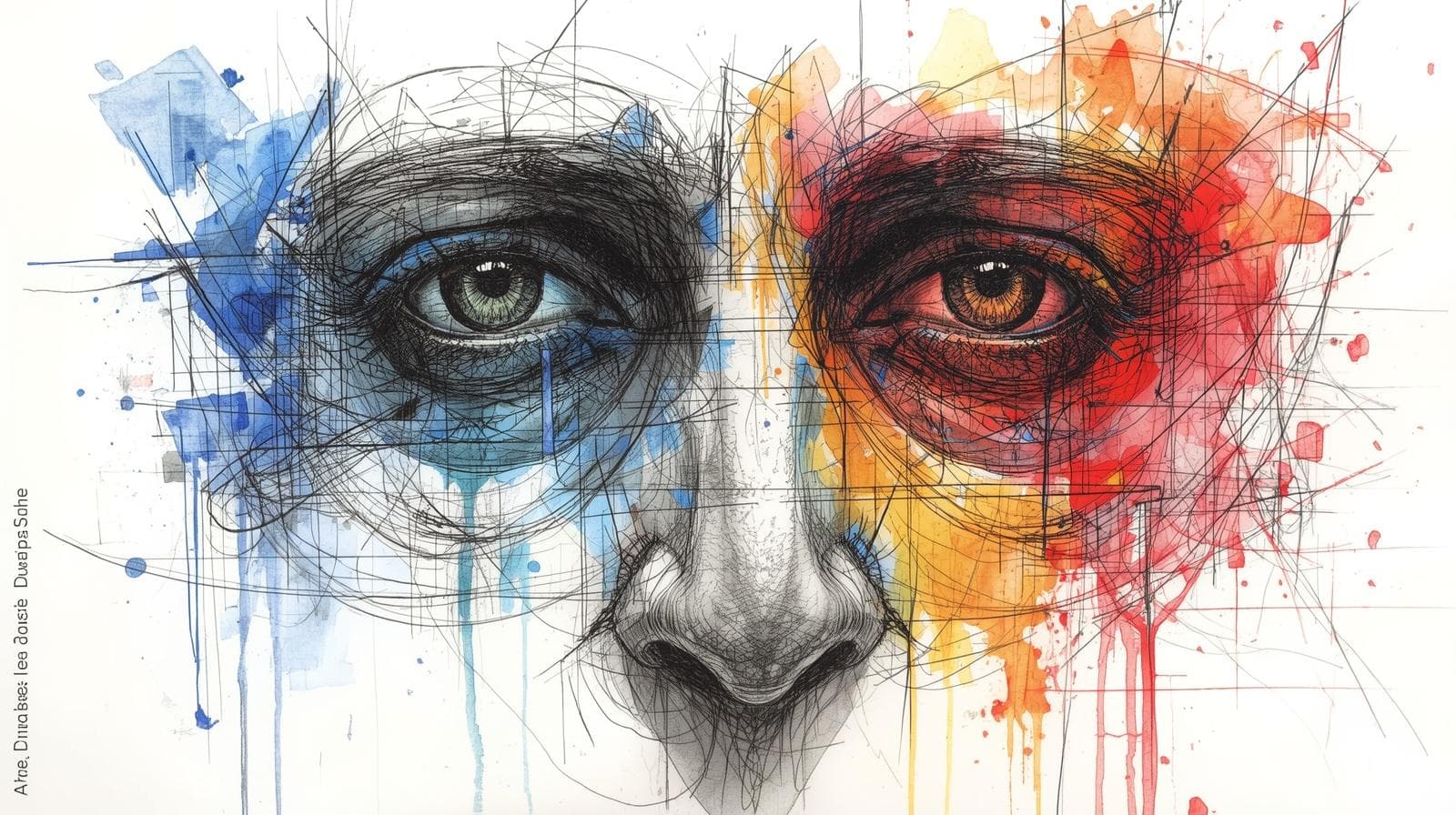
Anger
Written by
Morant
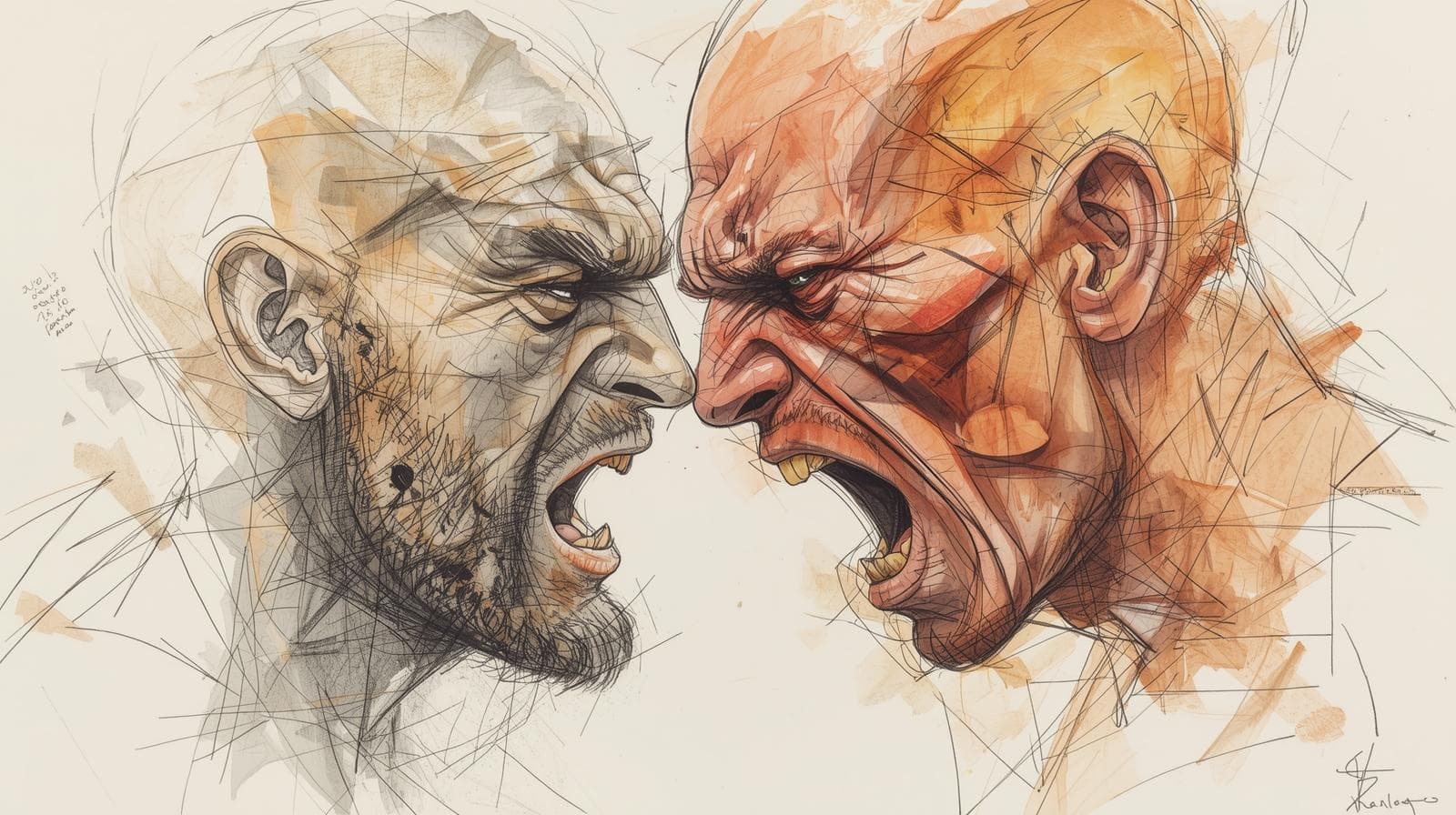
"Holding onto anger is like drinking poison and expecting the other person to die." – Buddha
"You are exactly like your father." My mother often says this whenever I snap. To be honest, I am someone who gets angry quite easily, someone who tends to raise their voice. But wait. Before you judge me—I am fully aware of the harm it causes, and I am on a journey to become a "gentler" version of myself.
I used to hate the feeling of losing my temper. Every time a wave of anger hit, I felt like a failure in my own self-cultivation. I would blame myself: "Why am I so impatient?", "Why do I let such trivial things control my emotions?" The more I disliked myself for it, the more I admired people who were gentle. How can they remain so soft-spoken, even when they are sad or upset?
I don't remember exactly when I started to realize and change. Perhaps it was because my mother complained so much. I'm not sure if you feel the same, but I’ve realized one thing: facing the person we just yelled at is an absolute ordeal. Usually, just a few minutes after the anger passes, I immediately feel regret and wish I hadn't acted that way. Because of this, I began to seriously re-evaluate myself and look at anger through a different lens. Instead of pushing it away, I treat it as a messenger: "What have you come here to tell me?"
Behind the shouting is a fear
Anger is actually a "secondary emotion." It’s like a thorny shell protecting something much more fragile and vulnerable inside: disappointment, sadness, or a sense of helplessness toward oneself.
I often play chess—an intellectual game that demands almost absolute composure. Everything is only allowed to explode at the very end when the game is decided. There have been matches where I completely controlled the board, cornering my opponent, only to lose focus for a split second—one stupid, careless move. In that moment, a massive surge of dopamine erupts in my brain, leading to desk-slamming and a few profanities that I’m sure you wouldn't want to hear.
Is it just a game? Yes. But I realized I wasn't angry because of the loss itself, but because my pride was wounded. I couldn't accept that someone "smart" like me could make such a ridiculous mistake. Anger, in that moment, was my ego screaming to deny the fact that I am just a human being capable of error. It appeared as a defense mechanism to make me feel "powerful" for a fleeting second.
Don't hold a red-hot coal to throw at others
Holding onto anger is like grasping a red-hot coal with the intent of throwing it at someone else; you are the one who gets burned first. When you give out anger, you are "gifting" the world and those around you the very burning sensation that is happening inside you. As I wrote in my previous post, we can only give what we have.
"I wish I hadn't done that." This thought always appears right after I get angry or have an argument with someone. And you know what? I’ve used this feeling of regret as a "shield" to stop the "heat" inside me from spreading outward. Now, whenever that huge surge of dopamine is about to explode, I tell myself: "You will definitely regret saying the things you're about to say. Calm down, count to five, and change your words."
P.S.
Anger isn't bad. It is an honest guest, letting you know that a personal boundary is being crossed or an old wound needs healing. Don't suppress it, and don't let it burst out uncontrollably. Listen to it gently. When you learn to be compassionate toward your own anger, you will find it easier to be compassionate toward the "hot-headed" people around you.
When was the last time you were truly angry? In that moment, beneath the anger, what were you actually feeling?